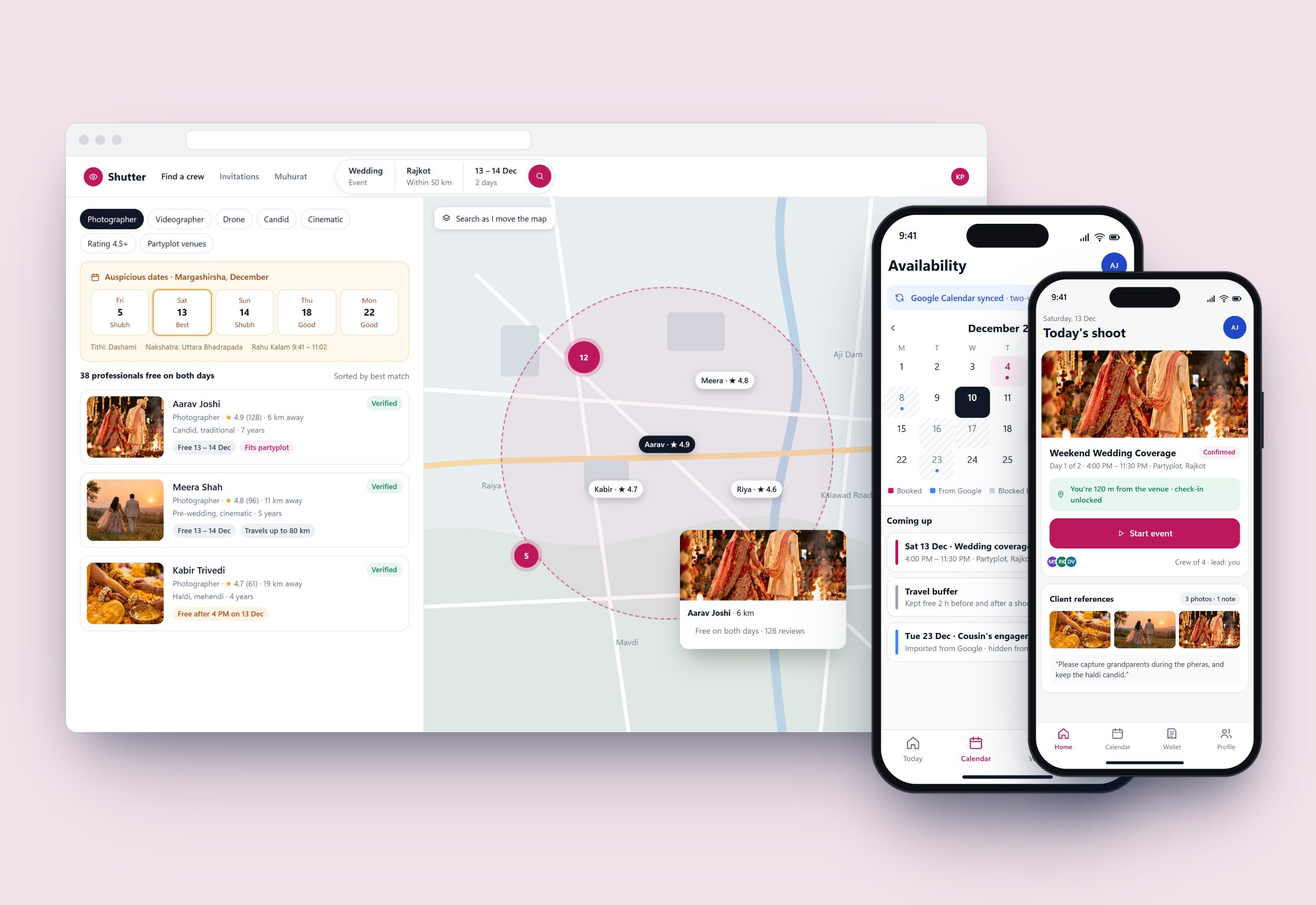
D2C commerce · Seller app · Storefronts
Multi-tenant Commerce Platform
A platform that puts small Indian manufacturers online: each seller gets a branded store on their own subdomain, an app to run orders, shipping and money, and a team behind them that onboards and supports every store.
- Multi-tenant architecture
- Payments & ledgers
- Logistics
- Website builder
- RBAC
- Monorepo & CI/CD
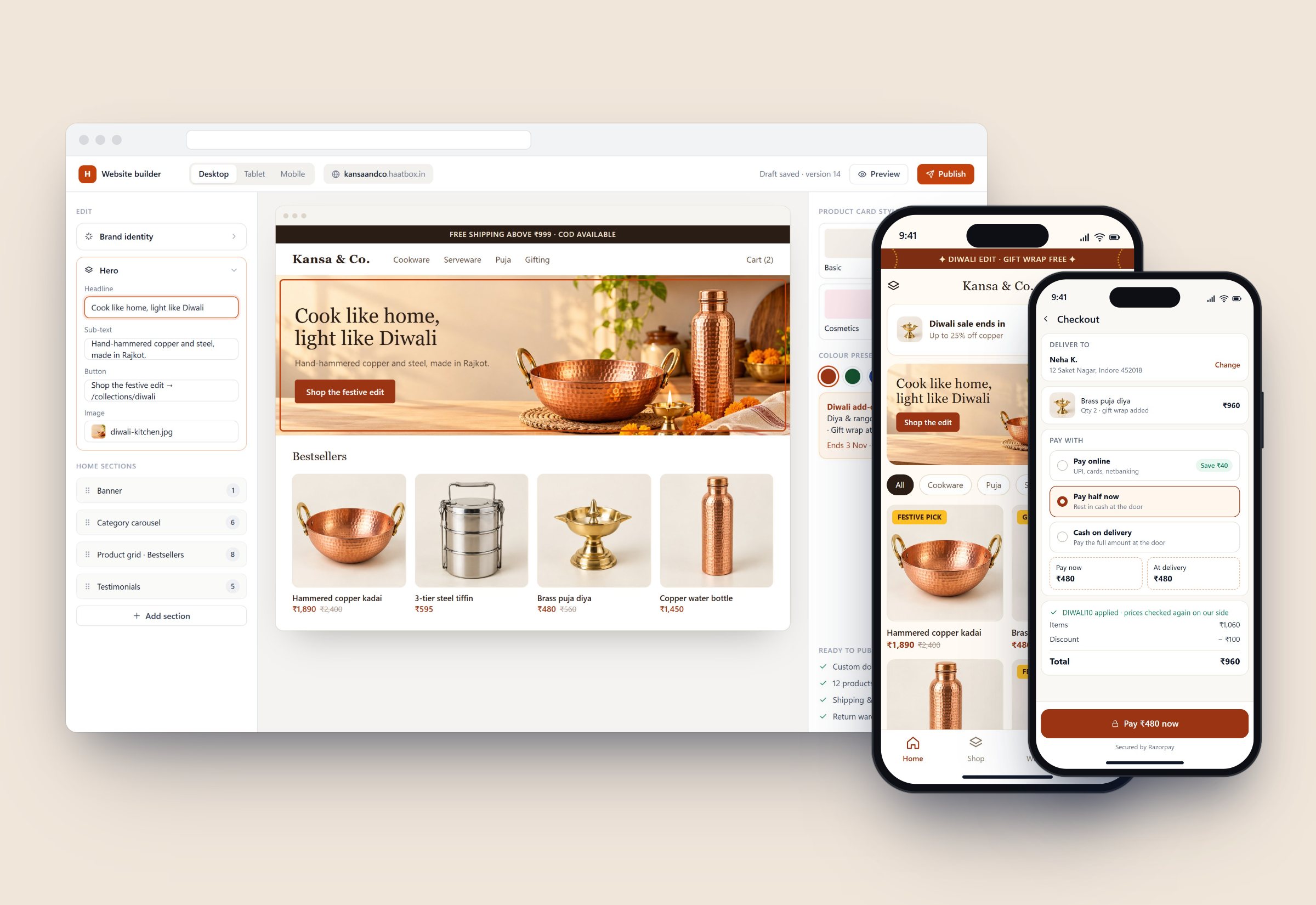
Product screens with sample data. Names and figures inside the screens are illustrative.
The problem
Small manufacturers sell well offline but struggle online: no store of their own, no logistics, cash-on-delivery money that arrives late and doesn't add up, and returns that quietly eat the margin. They needed one place to sell, ship and get paid, with a team that sets it all up for them.
- ~315
- API endpoints
- 80
- Database tables
- 12
- Storefront designs
What I built
A store of their own in an afternoon
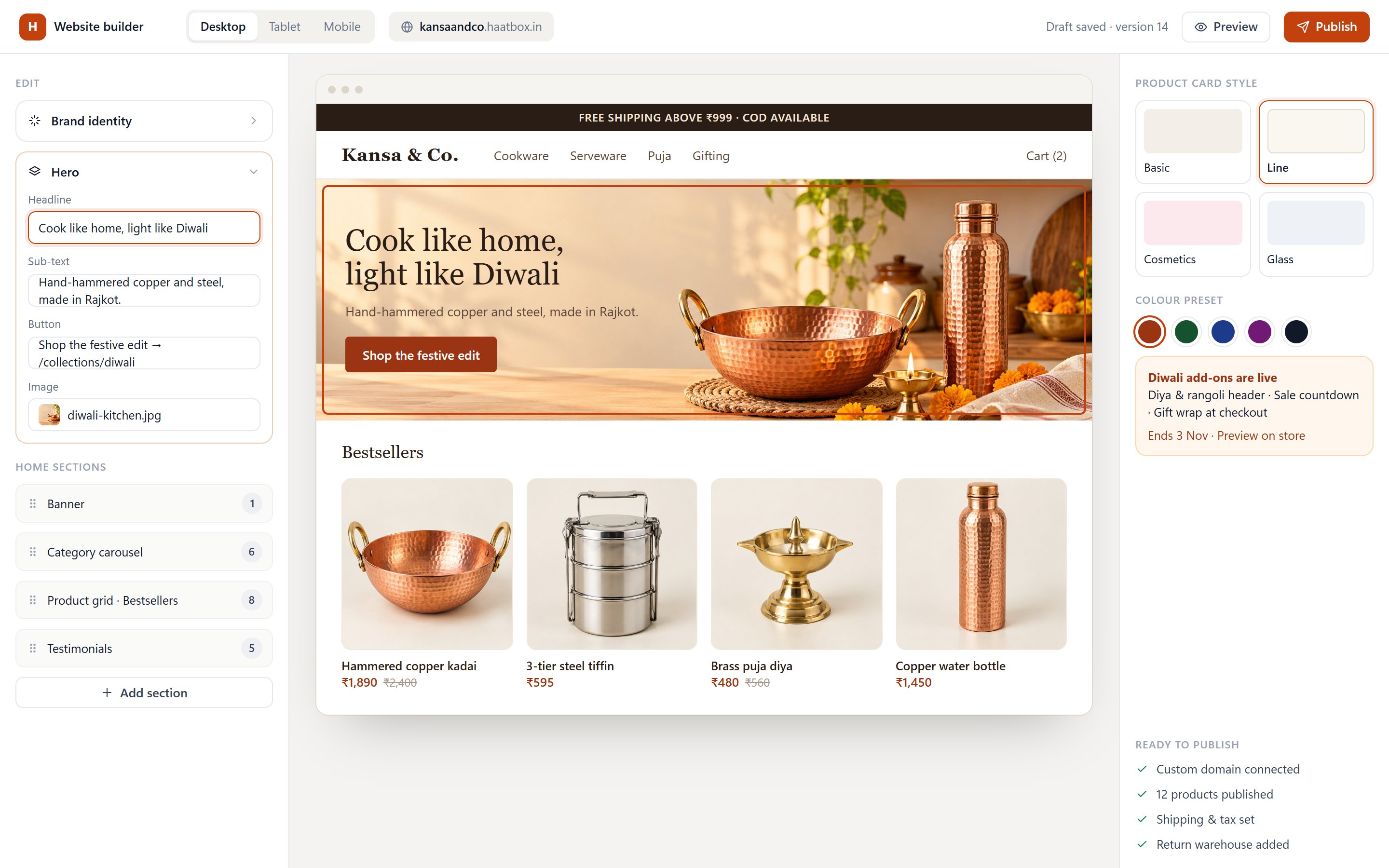
Sellers pick one of 12 designs, set their brand, hero and home sections, and see the real store in a live preview. Every store runs from one build on its own subdomain or custom domain.
- Product card styles and colour presets
- Draft and versioned website content
- Custom domains through Cloudflare nameservers
Orders that move one step at a time
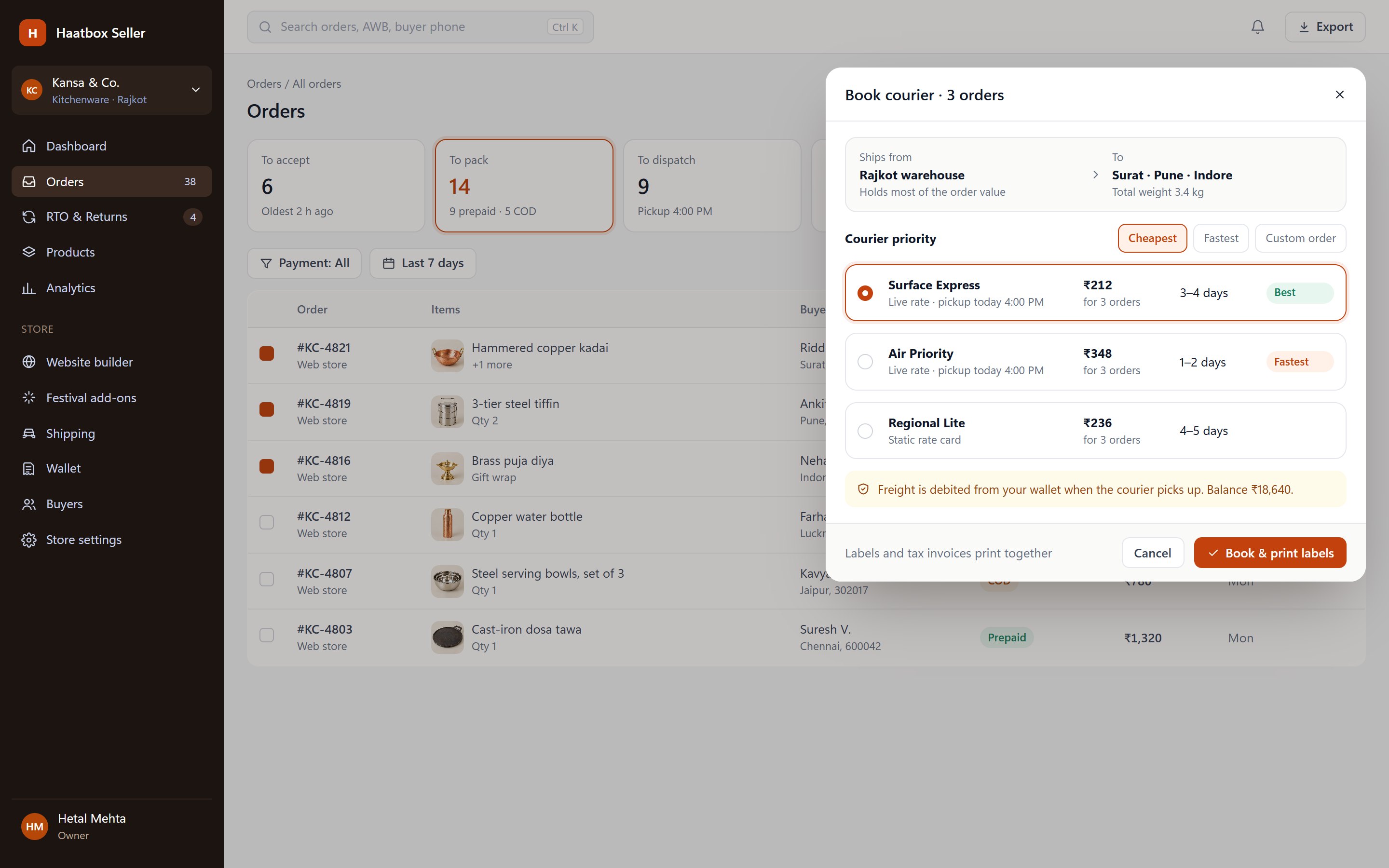
Orders flow from To accept to Completed, with RTO and returns tracked to the end. Booking a courier compares live rates by the seller's priority and ships from the warehouse that holds most of the order's value.
- Delivery issues and RTO in their own queues
- Returns with inspection and courier claims
- Serial returners blocked across every store
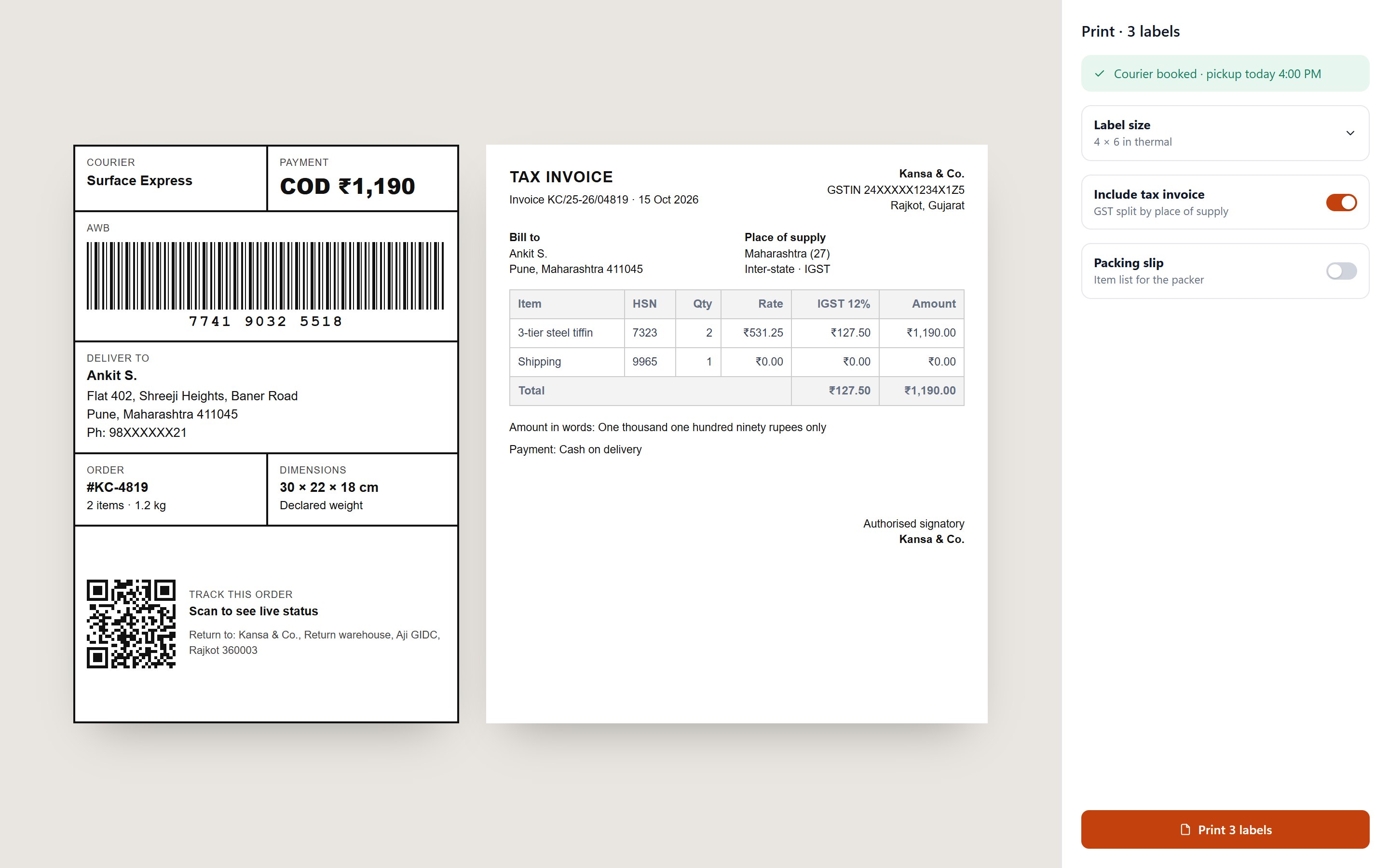
Labels and GST invoices that print together
A 4 × 6 thermal label with a barcoded AWB and tracking QR, printed with a tax invoice that splits CGST and SGST or IGST by place of supply.
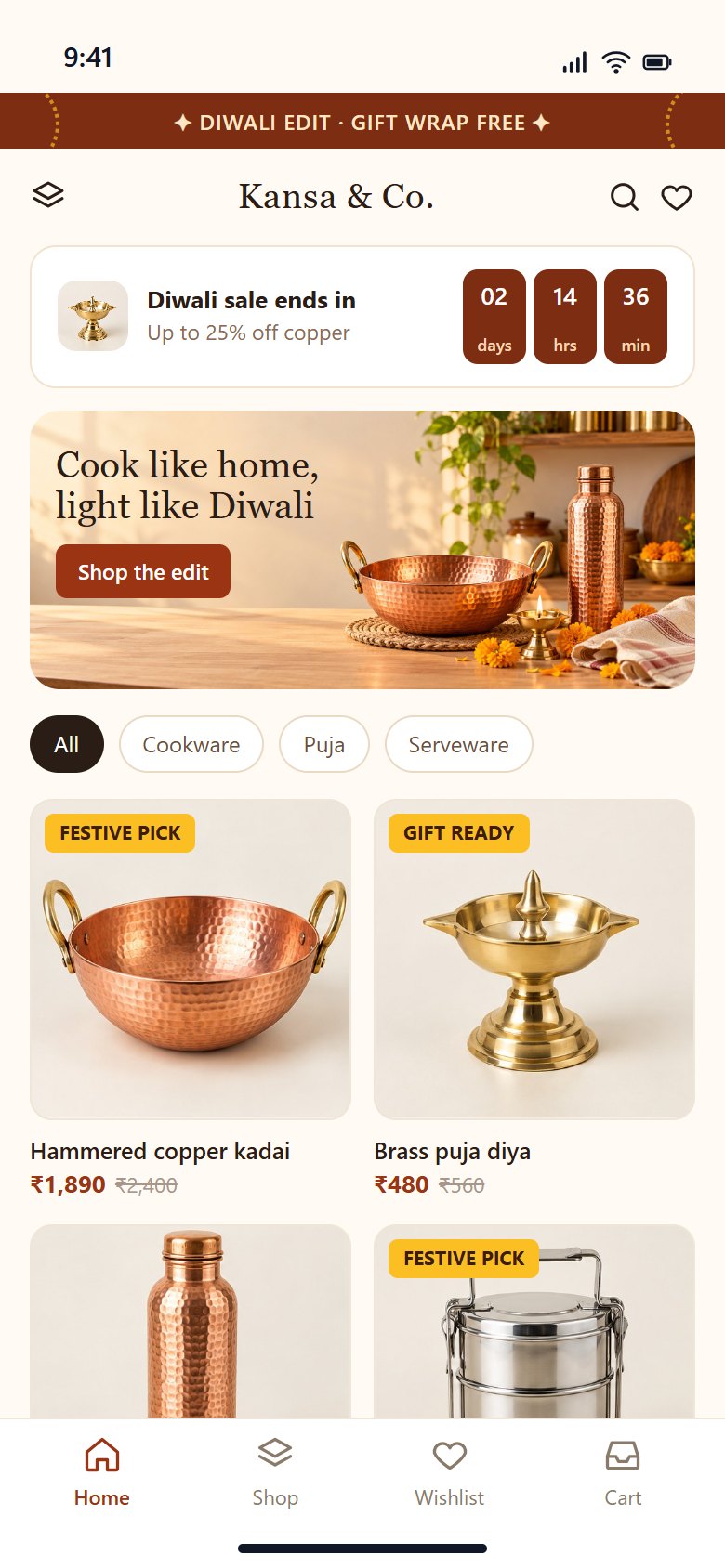
Festivals sellers can switch on
Eight paid festival add-ons, from a diya and rangoli header and sale countdown to gift wrap at checkout. Each loads only while it's active, in its own error boundary, so a broken add-on can't take a store down.
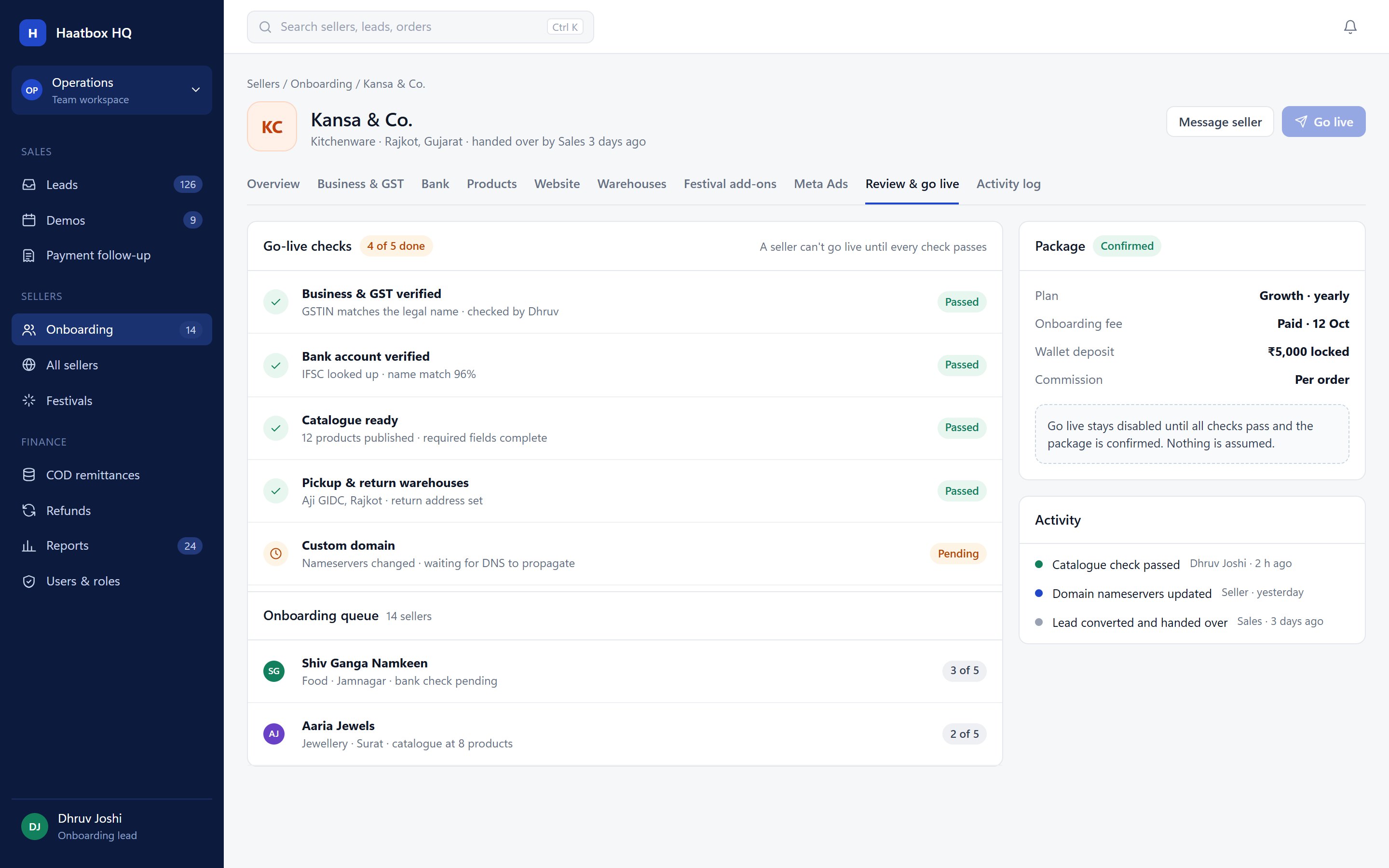
A team admin that runs the business
The team sells, onboards and supports every seller: a lead funnel with demos and payment links, a fail-closed go-live review, COD remittances, refunds, weight disputes and about 24 reports.
03 Advanced engineering
Money that always reconciles
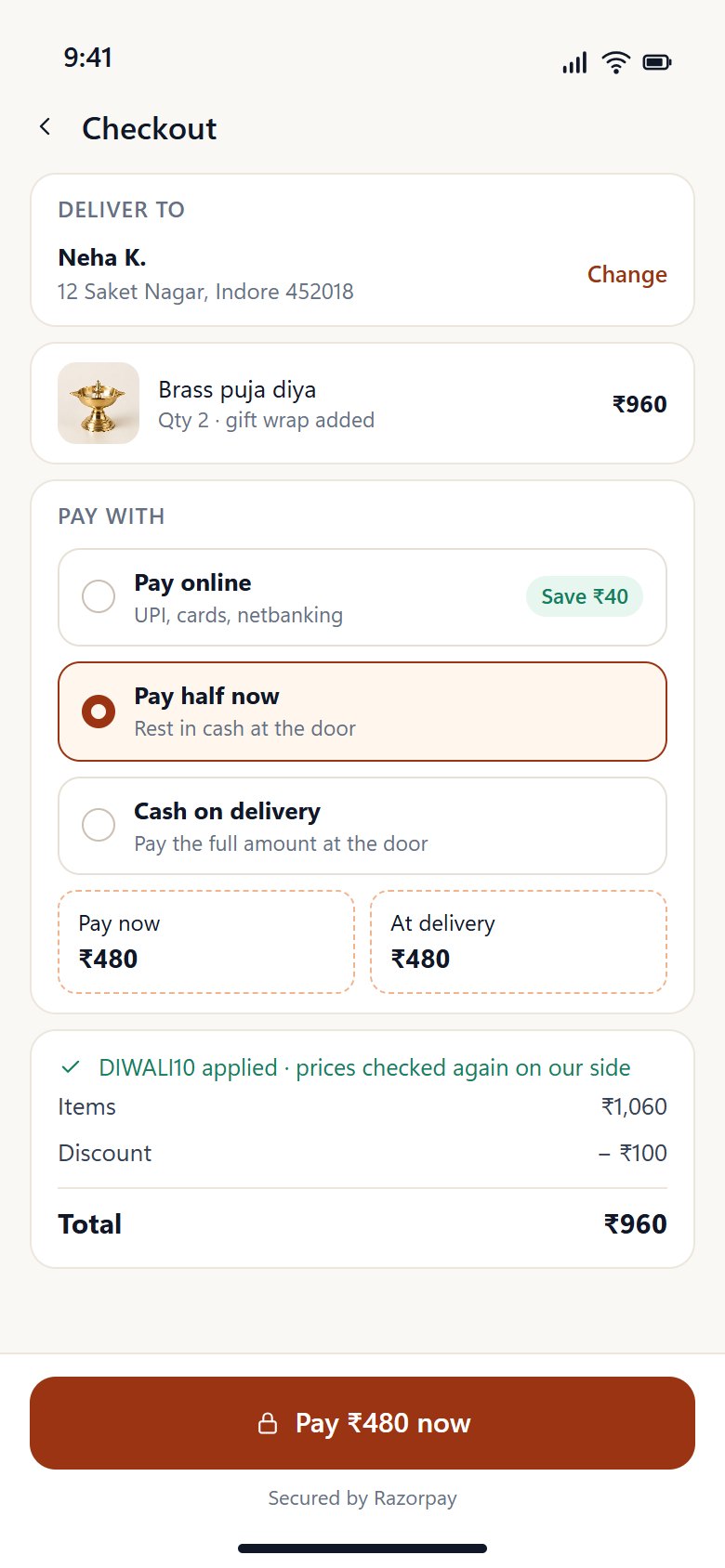
Every rupee passes through buyer payments, couriers, cash on delivery, refunds and payouts. The platform is built so each of those can retry, arrive late or arrive twice, and the seller's balance is still right.
- 01Checkout, prices recomputed on the server
- 02Online, half or COD
- 03Courier booked from the right warehouse
- 04Tracking by webhook and hourly poll
- 05Return window closes
- 06Credit to an append-only ledger
- 07Monday payout
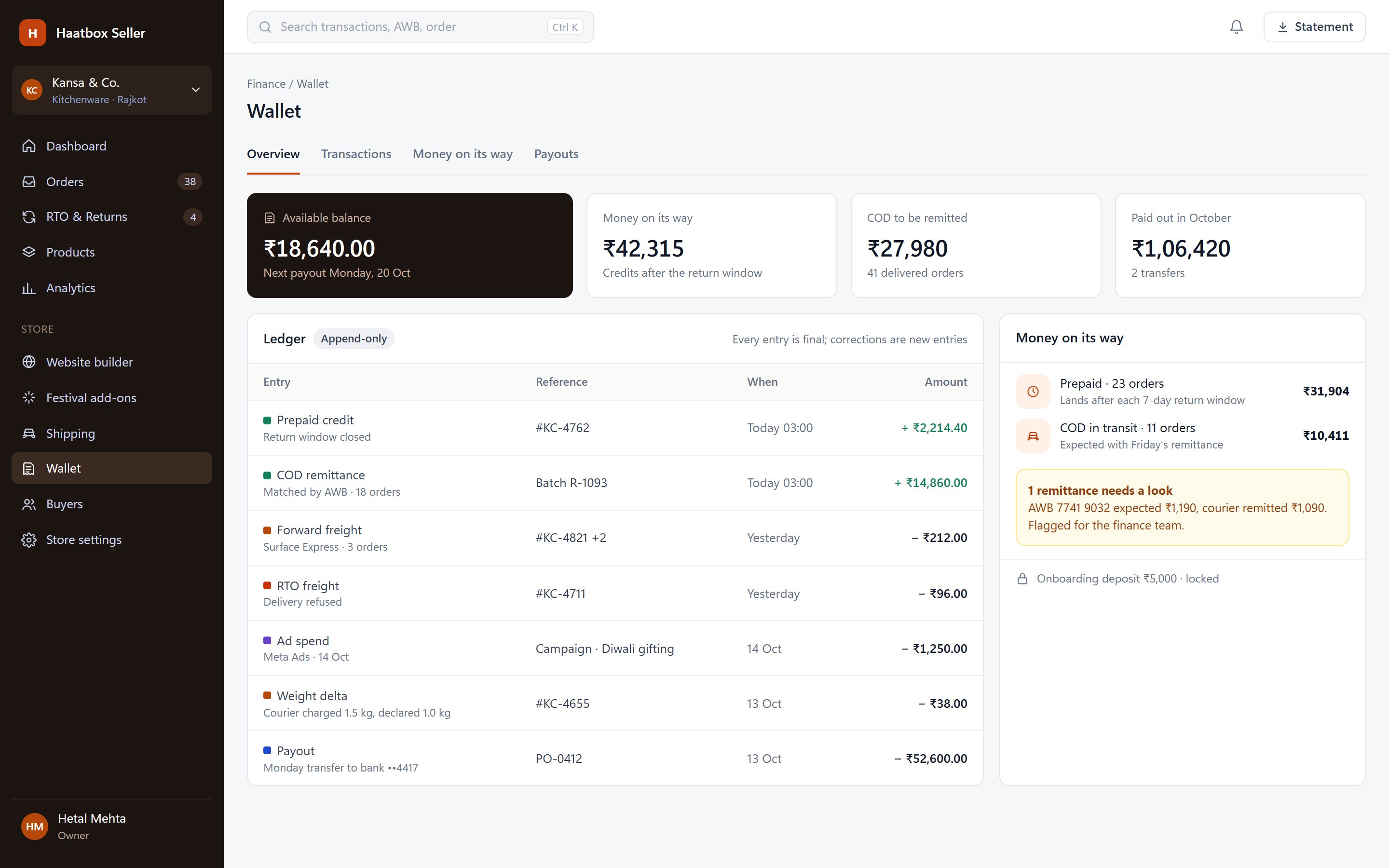
Seller wallet with sample data.
A ledger that can't be edited
Database triggers block updates and deletes on ledger entries, and idempotency keys stop a retried event from posting twice. Corrections are new entries.
Refunds from either side
A refund finalises once whether the staff action or the payment webhook arrives first.
COD that adds up
Courier remittances are matched to orders by AWB against the expected amount, and every mismatch is flagged for a person to resolve.
Tracking that only moves forward
Webhooks and the hourly poll share one entry point, so shipment status is idempotent and never goes backwards.
Weight disputes in slabs
Courier weight charges are reconciled in 15-day cycles and 0.5 kg slabs, and the difference is debited transparently.
Safe by default
Every route checks a permission and the seller's scope; every body is validated with a schema; rate limits guard login, signup, checkout and public forms.
- API
- Hono on Node · ~315 endpoints · 14 domains
- Data
- PostgreSQL · 80 tables · partitioned logs
- Apps
- React 19 · Vite · 94 routes
- Storefronts
- 12 designs · one build for every store
- Payments
- Razorpay · COD · half payment · payouts
- Logistics
- Live courier rates · labels · RTO · returns
- Quality
- CI gate · 400-line file guard · tests on money
- Deploy
- Ships changed apps only · health check · rollback
Key decisions
Money moves one way
An append-only ledger with idempotency keys means the balance can always be explained, line by line.
One build, every store
A single storefront build renders all sellers by subdomain, so a fix ships to every store at once.
Fail closed
Go-live, bot checks and payments refuse by default; nothing is assumed to be ready.